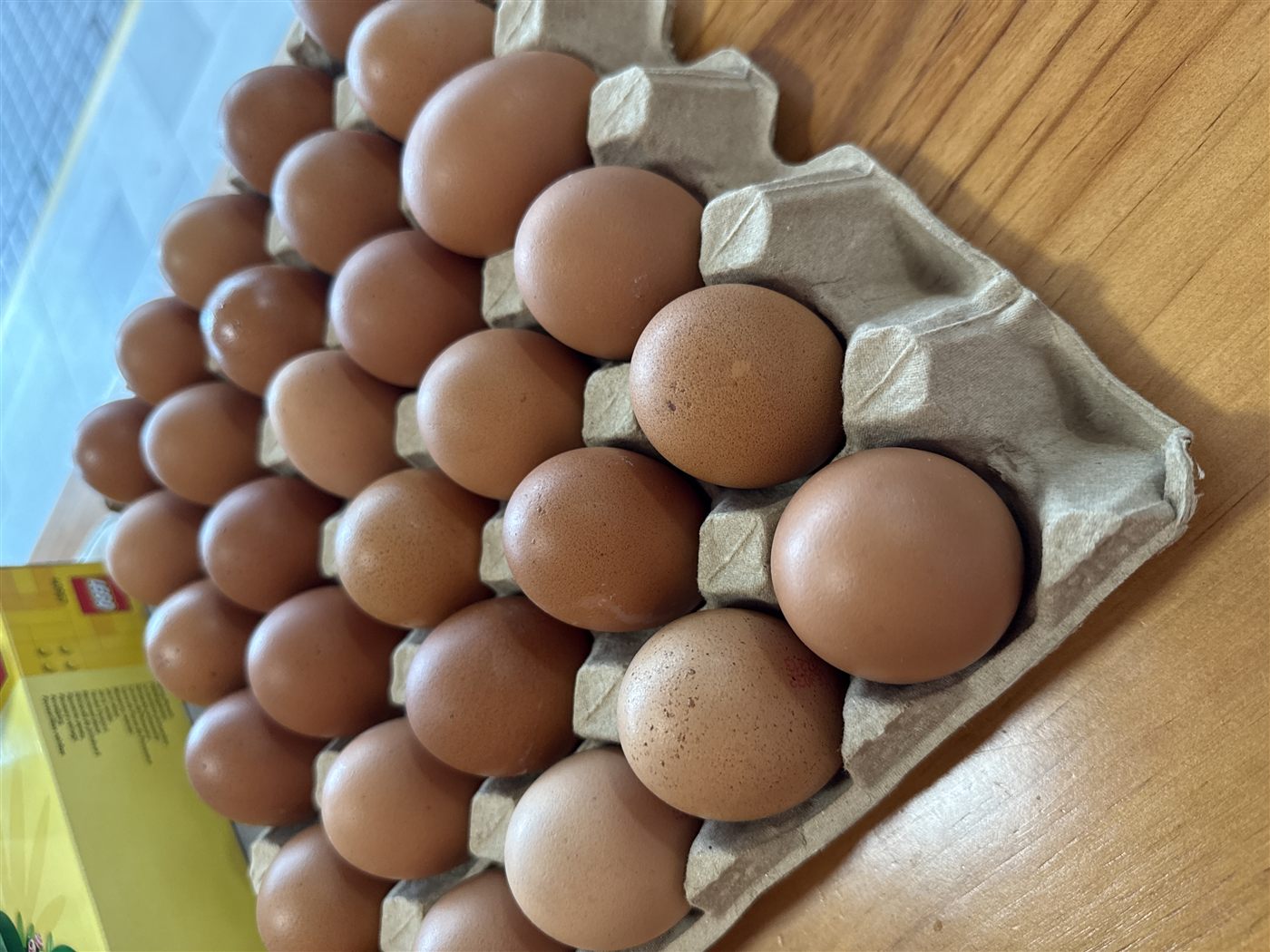
Eggs are the most forgiving-looking thing in a kitchen. They sit in a tray, they look fine, and most of the time they are. But an egg's safety is not decided by how it looks. It is decided by temperature, and by how steady that temperature stays.
An egg can look perfect and still be risky
This is the uncomfortable part. The US FDA notes that fresh eggs, even ones with clean, uncracked shells, can carry Salmonella inside. The shell is porous too, so bacteria on the surface can work their way in. Singapore's own SFA puts it plainly: Salmonella infections are often linked to eggs.
So you cannot sort the safe eggs from the risky ones by looking at them. You have to treat every egg as if it could carry it, and store it that way.
Temperature is the brake
Bacteria multiply fastest in what food agencies call the danger zone, roughly 4°C to 60°C. The USDA says they can double in number in as little as 20 minutes. Cold is the practical brake: hold eggs below that zone and the bacteria stay slow.
The figure worth remembering, the one the US FDA advises for storage, is simple: keep eggs at or below 4°C. And because the risk rises with both temperature and time, the longer an egg sits warm, the worse it gets.
The hidden risk most kitchens miss: a sweating shell
Here is the detail almost no one thinks about. When a cold egg meets warm, humid air, it sweats. That thin film of moisture on a porous shell is exactly what helps bacteria pass through into the egg. The USDA spells it out: a cold egg left out at room temperature can sweat, which makes it easier for bacteria to move inside.
So the real rule is not just keep eggs cold, it is keep them cold steadily. Every time an egg goes warm then cold again, that condensation cycle repeats. The door of a fridge swings the most in temperature, which is why eggs keep best in their carton on an inside shelf, not in the door.
Singapore makes this harder
Singapore imports most of its eggs, so they travel a long, warm road before they reach you. And a kitchen here often runs at 31°C to 33°C with high humidity, so a cold egg sweats fast and stays wet longer. The cold chain has to hold the whole way, and it has to hold steadily.
Why a TOROL fridge earns its place
Once you know the enemy is a warm, swinging temperature, the question stops being is it cold and becomes does the cold hold. That is the whole point of a TOROL.
Four things that keep your eggs in the safe zone.
How to store eggs well
- Refrigerate, and keep them there. Once eggs are cold, do not let them go warm again. The cold chain only works if it never breaks.
- Use an inside shelf, not the door. The door is the warmest, swingiest spot. An inside shelf holds a steadier temperature.
- Leave them in the carton. The carton cushions the shells and shields them from soaking up odours from nearby food.
- Keep them away from strong-smelling food. Fish, onions and cut fruit can pass their smell straight through a porous shell.
- Cook them through. Cold storage slows bacteria, but only cooking the yolks and whites until firm destroys Salmonella.
An egg gives you no warning. By the time it looks or smells wrong, the risk has already had its chance. The one thing you can control is the cold, and whether it holds.